Free delivery on two shirts or more | 30-day returns | 12-month warranty
English
Support



Free delivery on two shirts or more | 30-day returns | 12-month warranty
OUR BLOG
Latest news, tips, and insights
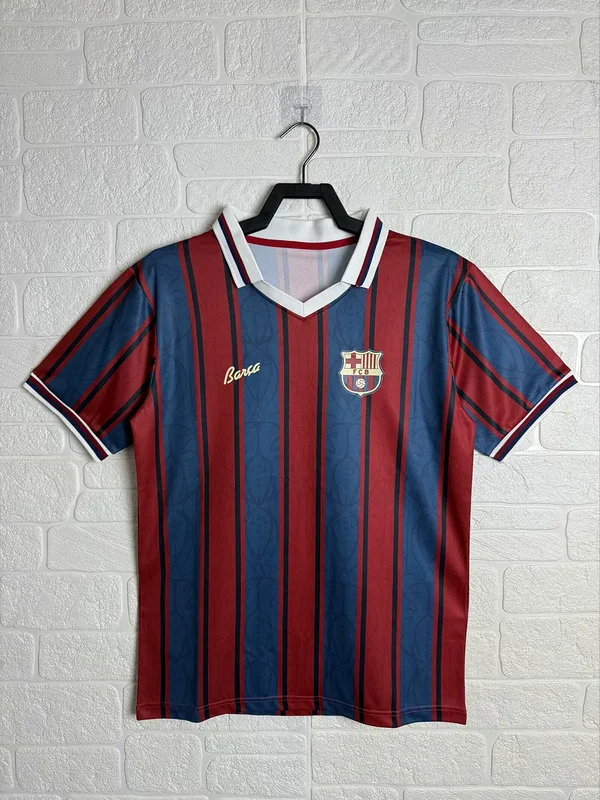
Wash football shirts inside out at low temperature, air dry them, avoid direct heat and never iron directly over prints.
A football shirt is more than sportswear: it can be a match-day layer, a collector piece, a holiday find or the shirt you wear every weekend. The good news is that most damage is avoidable. Fading, cracking prints, stretched collars and rough fabric usually come from too much heat, too much friction or rushed drying. Whether you are caring for modern performance fabric, long sleeves, printed names and numbers or retro-style shirts, the safest approach is gentle, cool and patient.
Before every wash, look over the shirt for details that need extra care: printed names, numbers, badges, sleeve details, mesh panels, embroidered areas and any small pulls in the fabric. Turn the shirt inside out before it goes near the machine. This reduces rubbing on the outside surface and helps protect prints from direct contact with the drum, zips or rougher garments.
Wash football shirts separately from jeans, towels, hoodies with metal hardware and anything with hook-and-loop fasteners. Those items create abrasion, which can roughen the surface and catch delicate threads. If you are washing several shirts together, close any zips on other garments and use a mesh laundry bag for extra protection.
Separate colours as you would with other clothing. Dark shirts, bright reds, strong blues and new black items should not be washed with white or pale shirts. If a shirt is new to you, especially a vivid retro-style design, wash it alone or with similar colours for the first clean. For older pieces from our retro football shirts collection, this first inspection matters even more because older-style fabrics and prints can react badly to heat and friction.
For most football shirts, choose 20°C or 30°C and a gentle or synthetic cycle. Hotter water can weaken print adhesive, encourage colours to fade and make some fabrics lose their smooth feel. A cool wash is usually enough for normal wear, especially if you treat stains early instead of trying to rescue them later with aggressive settings.
Use a mild liquid detergent and keep the dose modest. Too much detergent can sit in the fibres, making the shirt feel stiff and attracting odour. Avoid bleach, stain removers with harsh whitening agents and heavy fabric softener. Fabric softener can coat technical fibres and may affect breathability or the way the fabric hangs.
If the shirt has mud, food or deodorant marks, pre-treat gently. Dab the mark with cool water and a small amount of mild detergent, then leave it for a short time before washing. Do not scrub printed areas with a brush. On names, numbers and sponsor-style graphics, rubbing can lift edges or create a cloudy surface.
When using a washing machine, keep the spin speed low. A fast spin can twist the shirt, crease prints and stretch collars or cuffs. For pieces from current-season football shirts, this routine keeps the fabric fresh without treating it like heavy gym kit. For older or more delicate shirts, hand washing may be the better option.
Printed names and numbers are often the first place where poor washing shows. They can crack, peel, wrinkle or become shiny if exposed to heat or pressure. Always wash printed shirts inside out. Avoid washing them with heavy garments, and never leave them sitting wet in a pile, because damp folds can press print against print.
If your shirt has a custom name and number, treat it as a delicate item from day one. At Your Jersey FC, name and number printing is available on many shirts, so building the right habit early helps the print last longer. Wait until the shirt is fully dry before folding or storing it. If two printed areas touch while damp, they may stick or mark each other.
Do not use a tumble dryer. Dryer heat is one of the fastest ways to damage football shirt prints. Even a low setting can be risky because the print surface can soften, crease or lift. Radiators, heated rails and direct sunlight create the same problem. Heat may feel convenient, but it is rarely kind to football shirts.
If a print edge begins to lift, do not pull it. Let the shirt dry completely and avoid wearing or washing it again until you have checked the care options. If you recently bought the shirt from us and believe there is a fault rather than wear from washing, you can review our 30-day returns information and the 12-month warranty details.
After washing, remove the shirt from the machine promptly. Shake it gently to relax creases, reshape the collar, hem and sleeves, then hang it on a broad hanger or lay it flat on a drying rack. Air drying is slower than a dryer, but it protects colour, shape and prints.
Do not wring the shirt. Twisting puts stress on seams, collars and printed details. If the shirt is very wet after hand washing, press it between clean towels to remove extra water. Keep prints facing outward and flat where possible, so they do not dry with sharp folds.
Choose a shaded, ventilated place. Direct sunlight can fade colours, especially on darker shirts or bright retro-style patterns. A bathroom with poor airflow may leave the shirt damp too long, so use a room where air can move. If you hang the shirt outside, keep it away from rough lines or clips placed directly over printed numbers.
Long-sleeve shirts need a little extra attention because cuffs can hold water and stretch if left hanging heavily. For shirts from our long-sleeve football shirts range, lay the sleeves neatly over the rack rather than letting wet cuffs pull downward.
Many football shirts do not need ironing if you reshape them while damp. If you must remove creases, use the lowest heat setting, turn the shirt inside out and place a clean cotton cloth between the iron and the fabric. Never iron directly over printed names, numbers, badges or decorative graphics. Direct heat can melt, shine or flatten them.
Steam can also be risky near prints. If you use a steamer, keep it moving, use distance and avoid concentrating heat on one area. For retro-style fabrics, test a hidden area first. Some textured or heavier fabrics react differently from smooth modern polyester.
Store shirts clean and fully dry. Sweat, deodorant and food marks can become harder to remove over time and may attract odour. For everyday shirts, a hanger with rounded shoulders works well. For collector pieces or printed shirts, folding flat can be safer, as long as you avoid folding directly across the name, number or badge.
Place acid-free tissue or a clean, soft layer between printed surfaces if you are storing shirts for a long period. Keep them away from damp rooms, strong sunlight and compressed piles. If you collect club or national team shirts, browsing by clubs or national team football shirts is the fun part; careful storage is what keeps them wearable.
The best care routine is simple and repeatable. Low temperature, inside out, no dryer, no direct ironing over prints and careful storage will do more for a football shirt than any special product. Treat every shirt as if the details matter, because they do.


Yes, most football shirts can be machine washed if you use a gentle cycle, 20°C or 30°C water, mild detergent and a low spin. Turn the shirt inside out first and avoid washing it with heavy or rough garments that can rub against prints and fabric.
Wash printed shirts inside out, keep the temperature low and never use a tumble dryer. Do not iron directly over the print, and avoid folding the shirt while it is damp. Heat, pressure and friction are the main causes of cracking, peeling and shiny marks.
They should be treated more gently, especially if the fabric is textured, heavier or has delicate details. Use cool water, mild detergent and a low spin, or hand wash if the shirt feels fragile. Air dry flat or on a broad hanger away from direct sunlight.

Every kit tells the story of a season. We write about the ones worth remembering.