Free delivery on two shirts or more | 30-day returns | 12-month warranty
English
Support



Free delivery on two shirts or more | 30-day returns | 12-month warranty
OUR BLOG
Latest news, tips, and insights
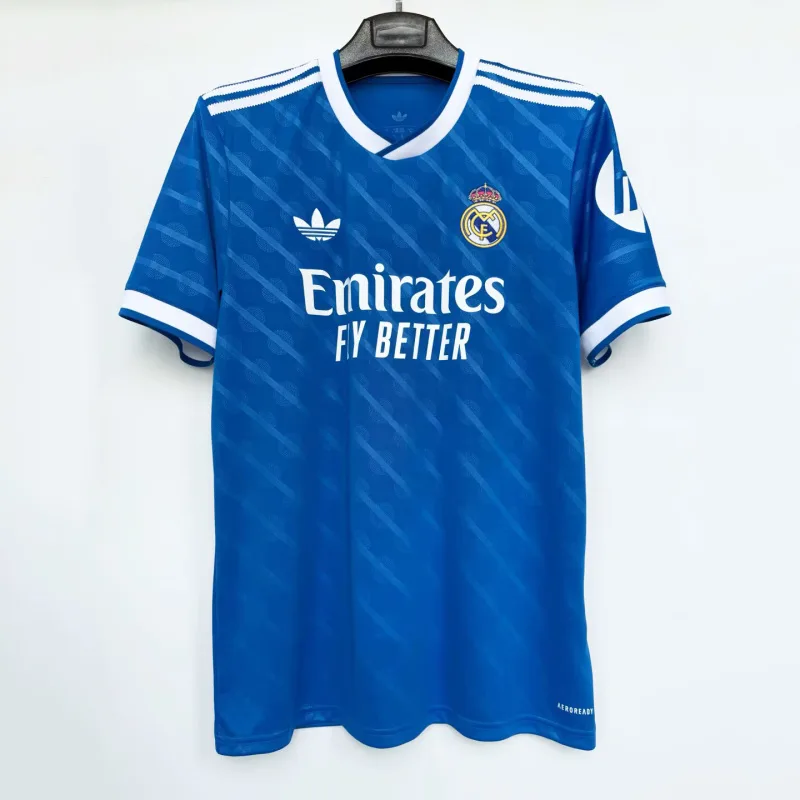
Measure a shirt you like, compare width and length, and choose the larger size if you are between two sizes or prefer a relaxed fit.
A football shirt should feel easy from the first wear: comfortable across the chest, clean on the shoulders, long enough to sit right with jeans or shorts, and not so tight that the fabric pulls when you move. This football shirt size guide explains how to choose between XS and 5XL, how fan and player cuts differ, what to check for kids, and how to measure a shirt you already own before ordering from Your Jersey FC.
Before looking at the label, decide how you want the shirt to sit. Football shirts are worn in different ways: some people want a close, sporty shape for playing five-a-side; others want a relaxed terrace fit over a T-shirt or hoodie. The best size is not always the smallest size you can get into. It is the size that matches how you plan to wear it.
If you like a neat everyday fit, aim for a shirt that follows your body without stretching across the chest or stomach. If you want a looser streetwear look, add extra room in the chest and choose a length that does not ride up when you lift your arms. For layering, especially with long sleeve football shirts, consider going one size up.
Your Jersey FC carries most shirts from XS to 5XL, but the feel can change by design. Retro-inspired pieces can feel roomier or boxier, while modern styles may feel sharper around the shoulders and sleeves. Treat the size label as a starting point, then confirm with measurements.
Letter sizes are useful, but they are not universal. An M in one shirt can feel closer to an L in another, especially when the cut, fabric stretch, sleeve shape, or collar style changes. That is why the safest approach is to compare the garment measurements, not only your usual size.
When browsing current-season football shirts, pay close attention to whether the product has a fan cut or player cut. Current styles often have more athletic lines, while many retro football shirts are chosen precisely because they look good with a little extra room.
The most common sizing mistake is treating fan cut and player cut as the same thing. A fan cut is usually made for everyday wear. It tends to allow more room through the chest and waist, with a shape that suits casual outfits, matchdays, travel, and regular use.
A player cut is usually more fitted. It can sit closer to the shoulders, chest, and arms, and may feel shorter or narrower than expected if you are used to casual shirts. If you are between sizes, or if you do not want the fabric to cling, sizing up is often the better choice in a player cut.
Think about your body shape as well as your size. Broad shoulders, a larger chest, or a preference for extra room at the waist can make the larger option more comfortable. A slimmer build may suit the regular size in a fan cut, but still need one size up in a player cut. If the shirt includes name and number printing, make the fit decision before personalising, because printed shirts should be chosen carefully.
The easiest way to avoid guesswork is to measure a football shirt, T-shirt, or sports top that already fits you well. Lay it flat on a table or bed, smooth the fabric without stretching it, and use a tape measure. This gives you a real-world comparison that is often more reliable than body measurements alone.
Compare those numbers with the shirt you want to buy. If your favourite top is 55 cm across the chest and a product measurement is 52 cm, expect a closer feel. If it is 57 cm, expect more ease. For national team football shirts, this method is especially useful because supporters often buy for different occasions: matchdays, holidays, gym wear, or gifts.
If your chest measurement points to one size but your length or shoulder measurement points to another, choose based on the part of the fit that matters most to you. For most people, chest width is the key measurement. A shirt that is too tight across the chest is hard to fix, while a slightly longer or looser shirt is usually easier to wear.
Size up if you prefer comfort, plan to layer, dislike tight sleeves, or are ordering a player cut. Size down only if you deliberately want a close fit and the fabric will not pull across the chest or stomach. For gifts, the larger size is normally the safer choice, especially if you are unsure about body shape or styling preference.
Also consider how you will care for the shirt. Wash gently, avoid high heat, and let it air dry when possible. Heat can affect shape, prints, and fabric feel over time. If you are choosing between two sizes and plan frequent wear, the slightly roomier option is often more forgiving.
For kids, height and age are helpful but not perfect. Children grow quickly, and two kids of the same age can need different lengths or widths. If the shirt is for regular wear, leave room for movement and growth. If it is for a special matchday or gift, a slightly relaxed fit is usually better than a shirt that only fits for a short time.
Check chest width, overall length, and sleeve length. For younger children, make sure the collar is comfortable and the hem does not feel too long for running or playing. For older kids moving into adult sizing, XS or S can be a good step if youth sizing feels short or narrow.
Before checking out, review the product details, your measurements, and any personalisation choices. Your Jersey FC offers secure payment by card or PayPal, free delivery from two shirts, a 30-day returns policy, and a 12-month warranty. If you need help after ordering, the returns page is the best place to review the process.


Size up if you are between two sizes, prefer a relaxed fit, have broad shoulders, or are choosing a player cut. A little extra room usually feels better for everyday wear, layering, and movement, especially if you plan to wear the shirt often.
A good football shirt should sit comfortably across the chest and shoulders without pulling. The hem should be long enough to stay in place when you move. Sleeves can be neat, but they should not feel tight around the arms.
Lay a shirt you like flat and measure armpit to armpit, shoulder to hem, and sleeve length if needed. Compare those garment measurements with the shirt you want. This is often more accurate than relying only on your usual letter size.

Every kit tells the story of a season. We write about the ones worth remembering.