Free delivery on two shirts or more | 30-day returns | 12-month warranty
English
Support



Free delivery on two shirts or more | 30-day returns | 12-month warranty
OUR BLOG
Latest news, tips, and insights
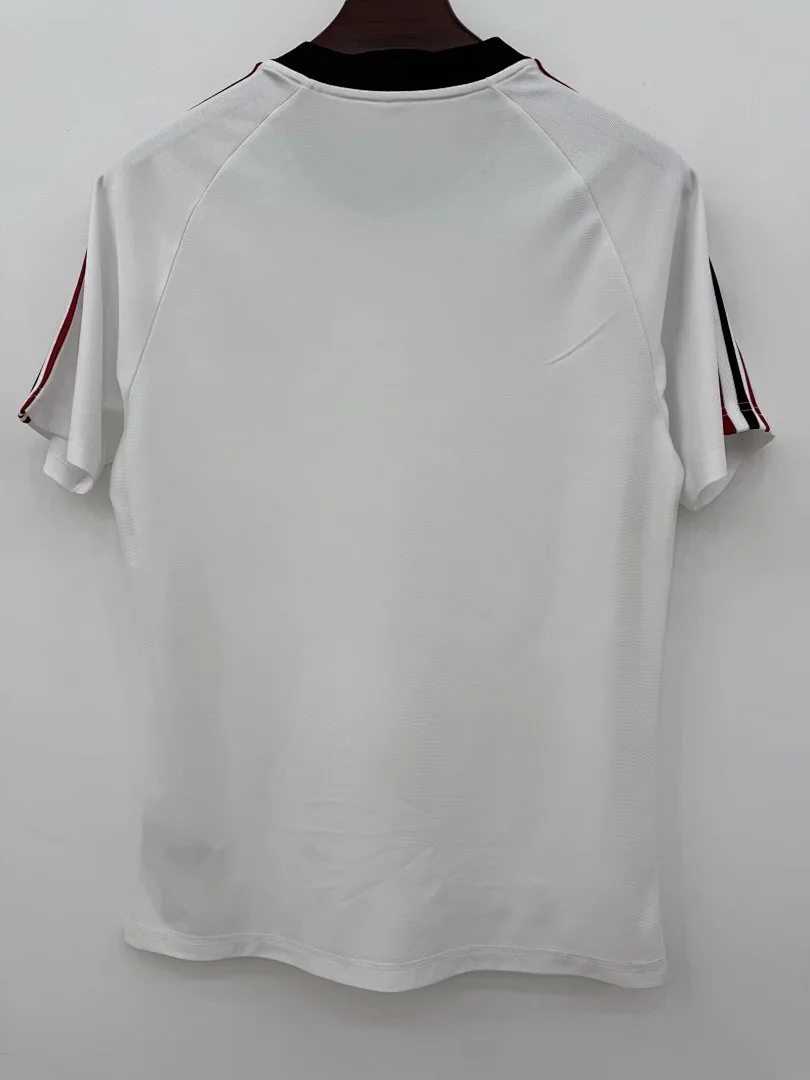
Check spelling, match the era where possible, and wash printed shirts inside out on a gentle cycle.
Name and number printing can turn a great football shirt into something personal: a childhood hero, a cup-final memory, a family nickname or a clean custom look. The best choice is the one you will still enjoy wearing next season, so it pays to slow down before adding letters to the back. This guide covers how to choose a legend or your own name, how to avoid spelling mistakes, how to think about era-matched fonts, and how to care for printed shirts once they arrive.
Before choosing a name, look at the shirt itself. A retro design often feels strongest with a player linked to that period, while a current-season shirt can suit a present squad name, a rising star, or your own name. If you are browsing retro football shirts, think about the season, tournament or team era the shirt suggests. If you are looking at current-season football shirts, decide whether you want a matchday feel or something more personal.
A good printed shirt usually has one clear idea. It might be a number 10 playmaker, a number 9 striker, a goalkeeper memory, or a simple surname that makes the shirt yours. Avoid choosing a name only because it is trending today. Football moves quickly, but a shirt stays in your wardrobe. If the shirt already has a strong visual identity, a short name and classic number can look cleaner than a long line of text.
A legend name is the safest emotional choice when it is tied to a real memory: the player you watched with your family, the goal you replayed for years, or the shirt you wanted as a kid. Browse football legends for inspiration, but keep the shirt era in mind. A name that belongs to a different decade can still look good if you like the contrast, yet it will feel less period-led.
Your own name is better when the shirt is a gift, a team trip piece, or a shirt you plan to wear often. It also avoids the problem of changing squads and transfers. For gifts, use the name the recipient actually uses, not only the formal version. A nickname can be more meaningful, but check whether it fits the back cleanly and whether the recipient would want to wear it in public.
Printing is personal, so the details matter. Check accents, hyphens, spaces and apostrophes before confirming. Some shirts look best with uppercase lettering, so think about how the name will read in capitals. If you are adding a Spanish, French, German, Portuguese or South American name, do not rely on memory alone. Search the player name from a reliable football source, compare two references, and copy the exact spelling into your order.
For your own name, decide whether you want the family name, first name, nickname or a short phrase. Keep it tidy. Very long names can curve awkwardly or dominate the shirt. If the shirt is for a child, remember that most shirts come in sizes from XS to 5XL on many styles, but smaller sizes have less back space. A shorter print often looks sharper on a smaller garment.
Period-correct printing does not need to be complicated. In general terms, older shirts often suit simpler, heavier or more restrained lettering, while modern shirts can carry cleaner, sharper shapes. National team shirts can also have a different feel from club shirts, so a design from national team football shirts may call for a different mood than a club classic.
If you are choosing a retro shirt, ask yourself what would look natural in photos from that era. Were numbers bold and plain, tall and narrow, or rounded and playful? You do not need to know every print rule to make a good choice. The main goal is harmony: the back should look like it belongs with the front. If the shirt has a simple collar, traditional colours and minimal trim, avoid a print that feels too futuristic. If the shirt is modern and technical in appearance, a very old-school style may look like a deliberate custom choice rather than an era match.
Printed shirts need gentler care than blank shirts. Turn the shirt inside out before washing, use a cool wash, and avoid heavy spin cycles where possible. Do not tumble dry. Heat is the enemy of many prints, especially over time. Let the shirt air dry on a hanger or flat surface, away from direct strong heat. If you iron the shirt, never iron directly over the name or number. Use the reverse side, a low setting, and caution.
Storage matters too. Do not fold the shirt tightly through the printed area for long periods. If a shirt has a large back number, hang it or fold it so the print is not sharply creased. For collectors, printed shirts are best kept clean, dry and away from constant sunlight. If you wear the shirt regularly, wash it soon after heavy use rather than leaving sweat or deodorant on the fabric.
A printed football shirt makes a strong gift because it feels chosen, not generic. For a partner, choose a favourite club and their surname. For a parent, choose a legend from the years they first loved the game. For a child, choose their first name and lucky number. For a friend, a long-sleeve shirt from long-sleeve football shirts can feel especially considered in colder months.
Before ordering, check size, print, return expectations and payment. Your Jersey FC offers name and number printing, secure payment by card or PayPal, free delivery from two shirts, 30-day returns and a 12-month warranty. Because printed items are personal, review the details carefully before confirming. A final minute of checking can save a lot of regret and help the shirt land exactly as intended.


Choose a legend if the shirt is tied to a player, era or memory you genuinely care about. Choose your own name for a more personal shirt, especially for gifts or regular wear. If you are unsure, a simple number or initials can keep the design clean.
Write the name exactly as you want it printed, then check accents, hyphens, spaces and the number separately. Compare player names with a reliable football source rather than memory. For gifts, ask someone else to review the spelling before you place the order.
Turn the shirt inside out, wash it cool on a gentle cycle and avoid tumble drying. Let it air dry away from direct heat. If ironing is needed, use low heat from the reverse side and never press directly on the name or number.

Every kit tells the story of a season. We write about the ones worth remembering.